What to check before a Dubai Marina dhow cruise
A dhow cruise along Dubai Marina offers a different way to see the city. The traditional wooden boats glide past modern towers and waterfront hotels, and the evening lights reflect on the water. For many visitors, it is one of the most memorable parts of a trip to Dubai. But not all cruises are the same. The experience depends on the boat, the route, the meal, and the crowd on board. Before you book, it pays to check a few practical details so that the evening matches what you expect.
Boarding point and cruise route
The location where the boat departs matters more than most people realise. Some cruises start near the entrance of the marina, while others depart from further inside the canal system. The boarding point affects what you see first and how long the cruise spends in the most scenic stretches. A departure near the mouth of the marina usually means you pass the whole skyline in a straight line. A departure deeper inside the canal can give you a more intimate view of the low-rise villas and smaller hotels along the water.
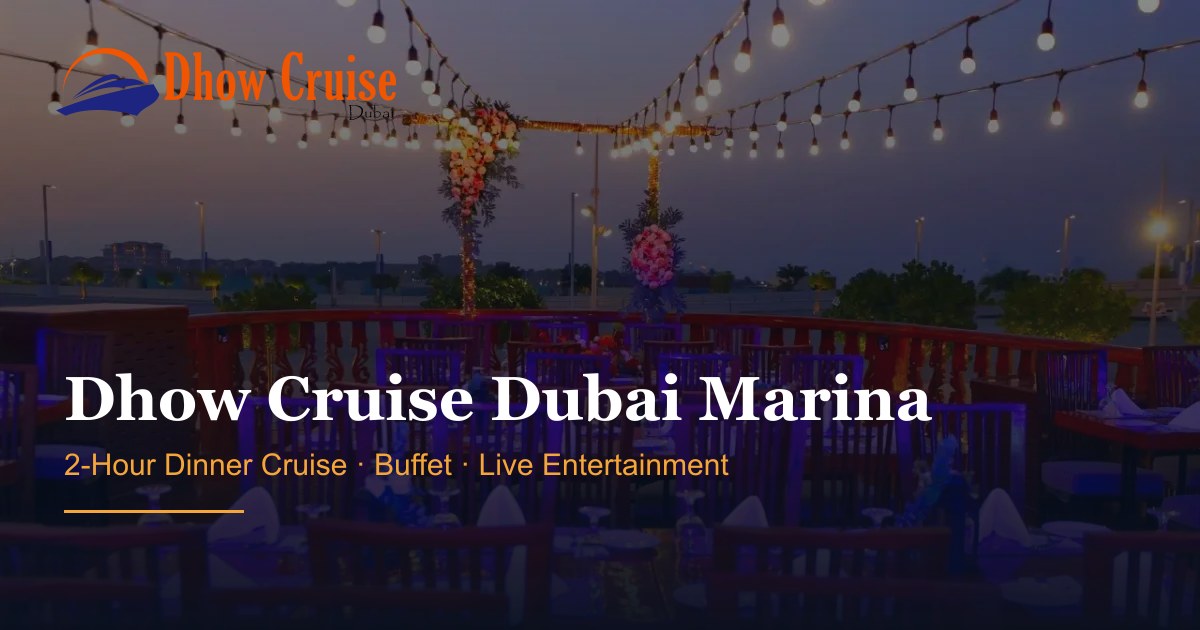
Check the exact boarding location on a map and read the description of the route. Some operators clearly state that the cruise goes past the major landmarks such as the twisting Cayan Tower or the cluster of restaurants at Pier 7. Others keep the description vague. If the view of the skyline matters to you, look for a route that explicitly covers the full length of the marina. One local option is Dhow Cruise Dubai Marina, and it is worth confirming the route with whichever operator you choose before you pay.
Boat type and condition
Not every dhow is a traditional wooden vessel. Some are built from fibreglass and shaped to look like a dhow. Others are genuine wooden boats that have been restored and fitted with modern amenities. Neither type is better by default, but the difference affects the atmosphere. A traditional wooden dhow creaks gently and has a more rustic feel. A fibreglass replica tends to be quieter and may have larger windows.
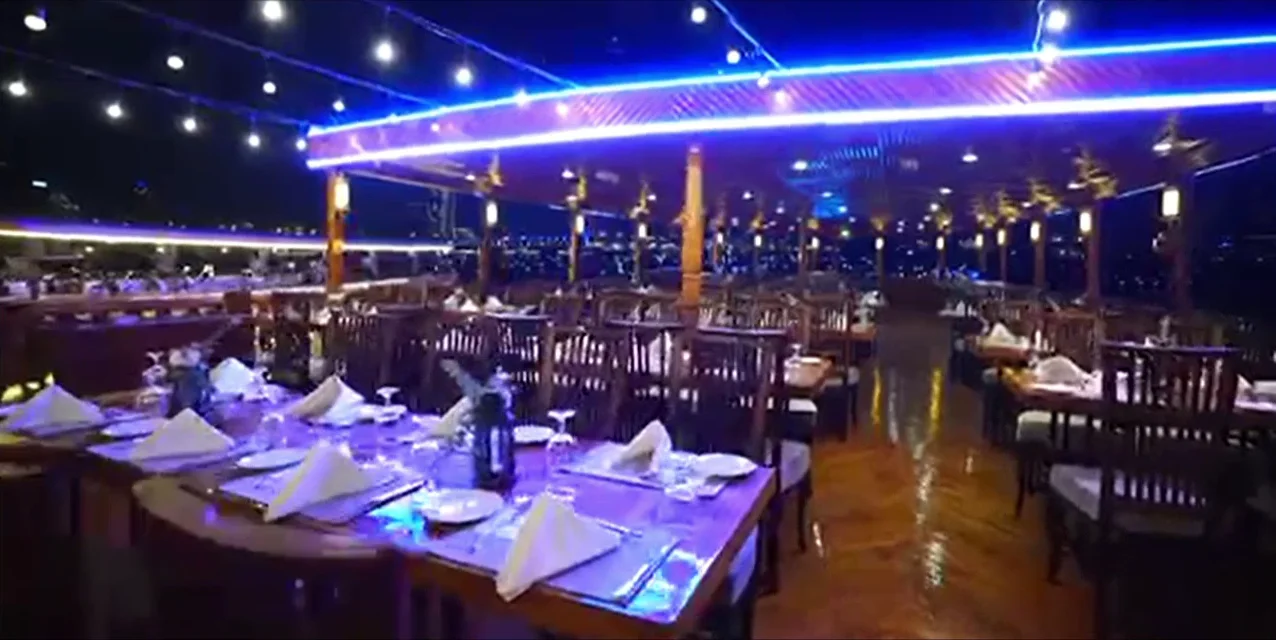
Ask about the age of the boat and the last refurbishment. Older wooden dhows can show signs of wear such as worn upholstery, rattling engines, or a persistent smell of diesel. Look for recent photos on the operator's website or social media pages. If the images are several years old, the boat may not look the same today. Also check the deck layout. Some dhows have an open upper deck with no cover, which is pleasant on a mild evening but uncomfortable on a windy night. Others enclose the upper deck with glass panels, which keeps the wind out but reduces the open-air feel.
Meal quality and dietary needs
Most dhow cruises include dinner, and the quality varies widely. Some operators serve a buffet of Arabic and international dishes prepared on board. Others bring pre-packed meals from a central kitchen, and the food can be lukewarm by the time it is served. Read recent reviews that mention the food specifically. Look for comments about freshness, variety, and temperature.
If you have dietary restrictions, check ahead. Many operators can accommodate vegetarian, vegan, or gluten-free requests, but they need advance notice. A few operators still treat dietary needs as an afterthought and offer only salad and bread as an alternative. Call or email before booking to confirm that they can handle your requirements. It is also worth asking about the drinks policy. Some cruises include soft drinks and water in the ticket price. Others charge separately for every item, including bottled water.
Duration and timing
The standard dhow cruise lasts between ninety minutes and two hours. That is enough time to eat, watch the sunset, and see the main sights. But some operators cut the time short, especially on later sailings when the boat needs to return for a second trip. Ask the exact duration and whether the boat leaves on time. A cruise that departs late and returns early leaves you with less than an hour on the water.
Timing also affects the view. A cruise that starts just before sunset gives you the best of both worlds: golden light on the marina and then the city lights coming on. A cruise that starts after dark skips the sunset entirely. If you want to see the transition, book a departure time that is thirty to forty-five minutes before sunset on the day of your trip. Check the sunset time for your date and match it with the cruise schedule.
What is included in the price
Ticket prices for a dhow cruise can look similar at first glance, but the inclusions vary. Some tickets cover only the boat ride. Others include a full buffet dinner, soft drinks, and entertainment such as a tanoura dance show. A few operators offer a premium package with a private table and a wider menu. Before you compare prices, list what each ticket includes and calculate the total cost. A cheaper ticket that charges for every extra can end up costing more than a slightly more expensive all-inclusive ticket.
Entertainment is another point to check. Many cruises feature a live tanoura dancer, which is a traditional folk performance with a spinning, illuminated skirt. The show is usually brief and takes place on the lower deck. If you are seated on the upper deck, you may not see it well. Ask whether the entertainment is visible from all seating areas. Some operators also play recorded music throughout the cruise, while others keep the atmosphere quiet. Think about the kind of evening you want and choose accordingly.
Seating and privacy
Seating arrangements differ between boats. Some dhows have long communal tables where you sit next to strangers. Others have individual tables for two or four people. If you are celebrating a special occasion or want a more intimate evening, look for a boat that offers private or semi-private seating. Some operators allow you to reserve a specific table when you book, especially on less crowded nights.
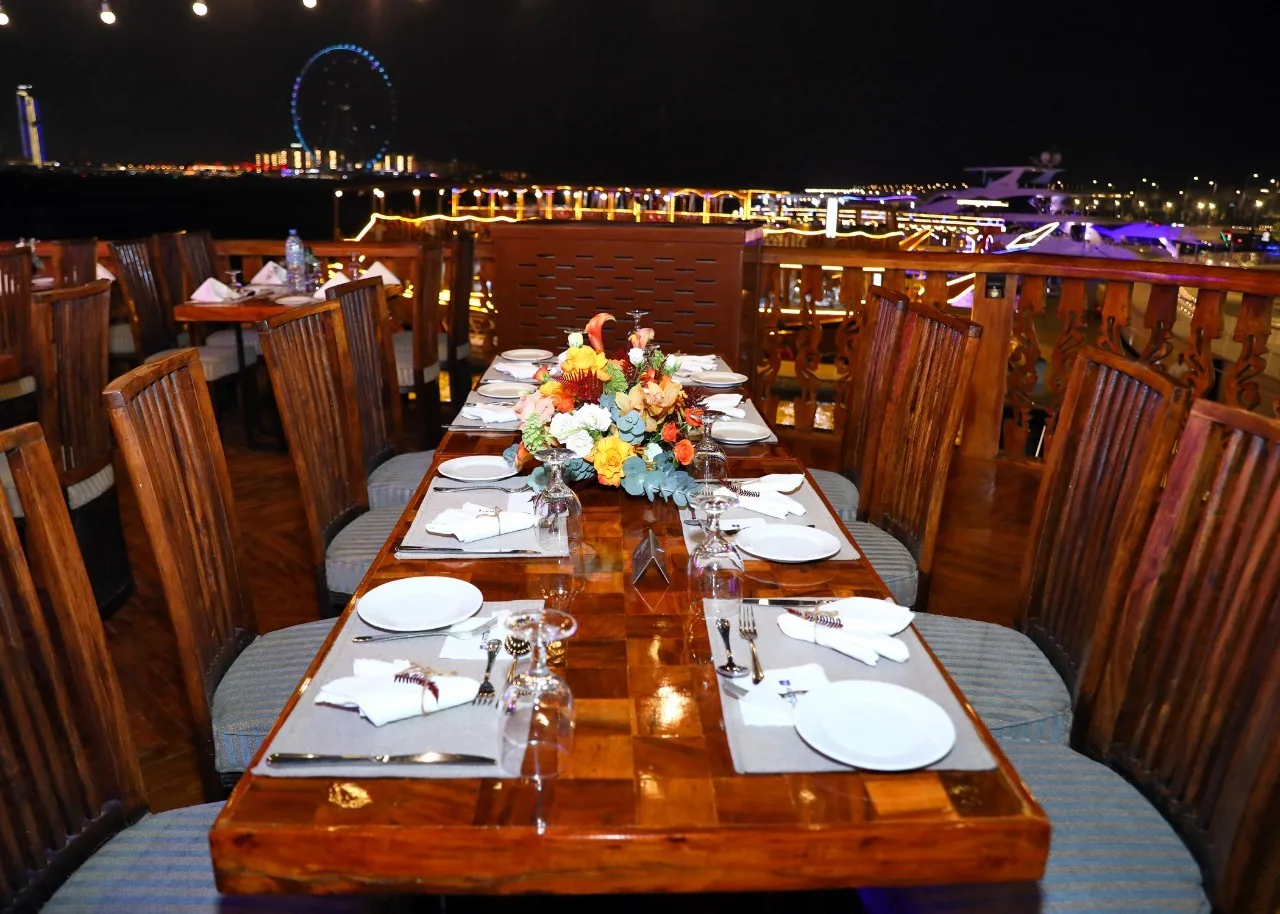
The number of passengers on board also matters. A small dhow carrying forty people feels spacious and calm. A large boat carrying over a hundred can feel crowded, with queues at the buffet and noise from other tables. Check the boat's passenger capacity and ask how many tickets have been sold for your sailing. Operators that cap their bookings give a better experience than those that fill every seat.
Cancellation and refund policy
Plans can change, especially on holiday. Before you pay, read the cancellation policy. Some operators offer a full refund if you cancel more than 48 hours ahead. Others give only a partial refund or a credit for a future date. A few offer no refund at all once the booking is confirmed. If you are booking through a third-party platform, check whether the same policy applies or whether the platform has its own cancellation rules.
Weather cancellations are rare in Dubai, but they happen. Strong winds or rough seas can force a cancellation, especially on the open water near the mouth of the marina. Ask what happens if the operator cancels. Most will offer a full refund or a rescheduled date. A few may try to offer a credit only. Clarify this before you hand over your payment details.
Dress code and what to bring
Dubai Marina is a relaxed area, and most dhow cruises do not enforce a strict dress code. Smart casual is the norm. Men usually wear collared shirts and trousers or dark jeans. Women wear dresses, skirts, or smart trousers. Avoid sportswear, flip-flops, and very casual shorts. If you plan to sit on the open upper deck, bring a light jacket or a shawl. The breeze on the water can feel cool even on a warm evening.
Photography is almost always allowed, but check whether the operator permits the use of a flash during the dinner service. Some operators also restrict the use of tripods or drones on board. A small camera or smartphone is usually fine. If you want to capture the skyline at night, bring a camera that handles low light well. The boat moves slowly, but a steady hand or a small tripod helps avoid blurry shots.
Transport and parking
Getting to the boarding point is part of the planning. The Marina is well served by the Dubai Metro and taxis, but the boarding jetties can be a short walk from the nearest station. If you are driving, check whether the operator offers parking or whether there is a public car park nearby. Some jetties are inside hotel properties that charge for parking. Others are in public areas with limited spaces. Arriving early gives you time to find a spot and walk to the boarding point without rushing.
If you are staying at a hotel on the Marina, ask whether the cruise operator offers a pickup service. Some include a short complimentary transfer from major hotels in the area. Others do not. It is a small detail that can save you the hassle of navigating unfamiliar streets at night.
Before you finalise your booking, take a few minutes to run through this checklist. Confirm the route, boat condition, meal quality, timing, inclusions, seating, cancellation policy, dress code, and transport. A little preparation goes a long way toward ensuring that your evening on the water is as enjoyable as the photos you have seen. For those looking for a reliable option, Dhow Cruise Dubai Marina is one local operator worth considering. You can reach them at Al Warsan Building - Al Thanyah First - Barsha Heights - Dubai - United Arab Emirates, phone +971 52 440 9525.